Fatigue Factors Across Fields: How Recovery Periods Shape Accumulator Selections in Premier League Clashes, Grand Slam Tennis, and Classic Horse Races
Alex Walter · Oct 28, 2026
Fatigue Factors Across Fields: How Recovery Periods Shape Accumulator Selections in Premier League Clashes, Grand Slam Tennis, and Classic Horse Races
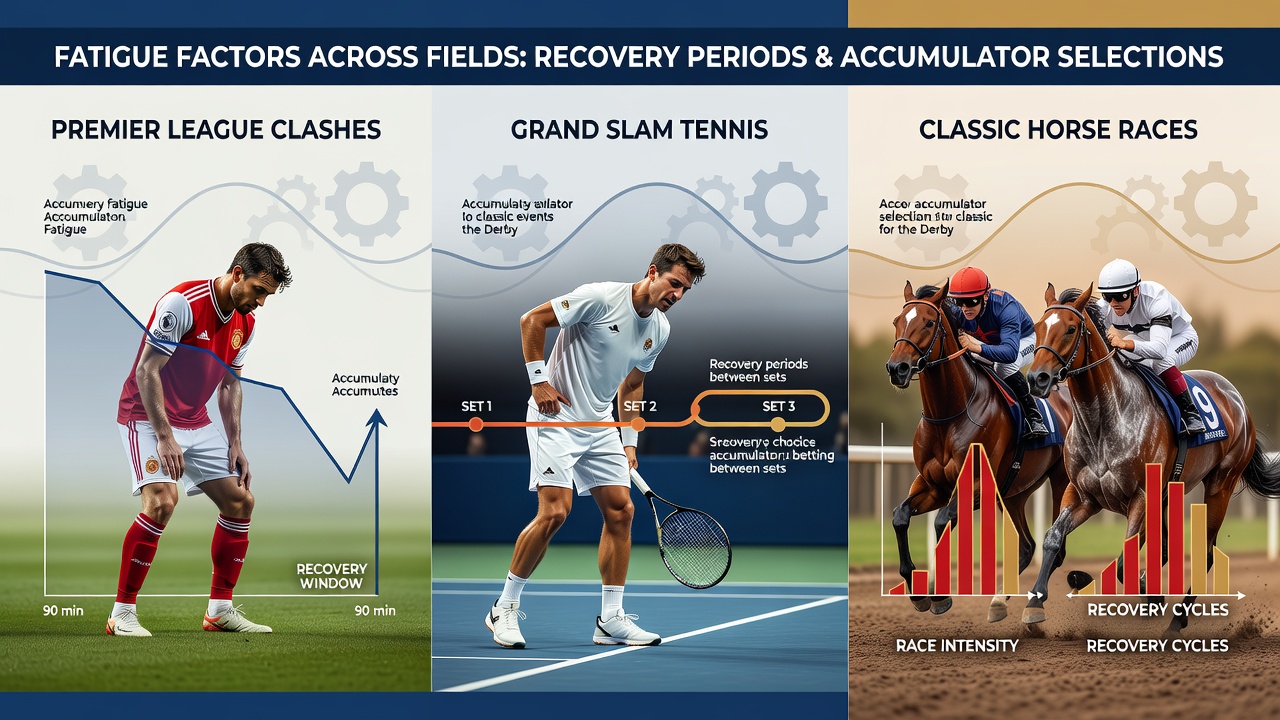
Recovery periods influence performance across elite sports, and October 2026 brings dense calendars that highlight these dynamics in Premier League matches, late-season tennis events, and autumn horse racing fixtures. Data from governing bodies shows how rest intervals between contests affect outcomes, which in turn guides accumulator selections that combine teams, players, and runners with favorable recovery profiles.
Premier League Schedule Demands and Recovery Metrics
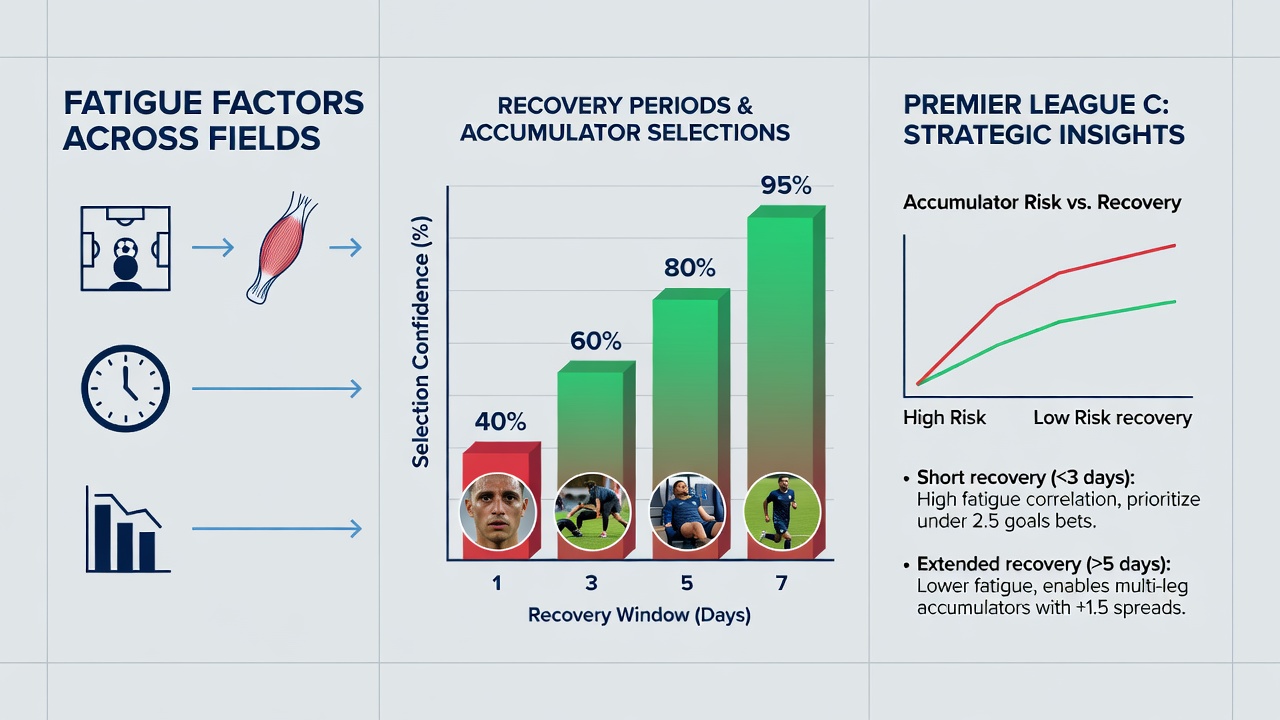
Premier League clubs navigate congested periods in October 2026, with teams often facing matches every three or four days during European and domestic commitments. Researchers tracking player workloads note that squads with at least four full days between fixtures maintain higher sprint distances and pass completion rates compared to those on shorter turnarounds. These patterns appear in official match data releases, where midweek European participants show measurable drops in high-intensity runs when returning for weekend league games.
Accumulator builders examine rest advantages when stacking Premier League selections. Teams returning from international breaks or with lighter midweek loads feature more frequently in multi-leg bets, while sides coming off consecutive away trips see reduced inclusion rates. Figures from league-wide tracking systems reveal that clubs averaging under 72 hours of recovery record lower expected goals totals in subsequent fixtures.
Grand Slam Tennis and Consecutive Match Recovery
Grand Slam schedules place players in best-of-five or best-of-three sets over consecutive days, and recovery windows shrink during later rounds. Performance analytics from major tournaments indicate that competitors with 48 hours or more between matches sustain serve percentages above 65 percent, whereas those on back-to-back days often see first-serve accuracy decline by eight to twelve points. These trends hold across hard-court and indoor surfaces prevalent in the October swing leading into year-end events.
Selections for tennis-inclusive accumulators factor in draw positions and prior-round workloads. Players advancing through longer matches early in the tournament receive scrutiny for rest before quarterfinal or semifinal clashes. Tracking data from the ATP and WTA circuits shows that those with bye rounds or shorter previous encounters maintain higher hold rates in extended best-of-five formats.
Classic Horse Races and Equine Recovery Windows
Autumn racing programs in 2026 feature classic distances and weight-carrying assignments that test equine recovery between engagements. Studies compiled by the Australian Institute of Sport demonstrate that thoroughbreds given seven to ten days between races preserve peak stride lengths and finishing speeds more consistently than those racing on five-day intervals. Handicappers review official form guides that list recent runs, and runners with extended gaps between starts appear more frequently in each-way and accumulator combinations.
Travel and track conditions compound recovery demands in October fixtures. Horses shipping from summer campaigns to autumn tracks encounter additional stressors, and data compiled across major racing jurisdictions shows reduced win percentages for animals with fewer than six days since their last start under similar conditions. Accumulator constructors therefore prioritize entries with documented rest periods when linking horse racing legs to football and tennis outcomes.
Cross-Sport Accumulator Construction Using Recovery Data
Bet builders combine Premier League sides, tennis players, and horse racing runners that share favorable recovery characteristics within the same October 2026 window. Performance logs indicate stronger correlations between rested squads and positive results when multiple legs align on the same card. Observers monitoring these overlaps note that selections drawn from fixtures with minimum rest thresholds produce more stable multi-sport lines than those ignoring workload history.
Industry reports from the United States Equestrian Federation align with parallel findings in human sports, confirming that structured recovery intervals support consistent output across disciplines. Accumulator models incorporate these variables by filtering for teams and athletes meeting minimum rest criteria before inclusion, which narrows candidate pools but increases alignment with historical success rates in combined bets.
Conclusion
Recovery periods function as measurable inputs across Premier League, Grand Slam tennis, and classic horse racing calendars. October 2026 schedules underscore these relationships through documented workload patterns and performance metrics. Accumulator selections that integrate rest data from each sport reflect observable trends in fixture congestion, match sequencing, and equine preparation, providing a structured approach to cross-field combinations grounded in available performance records.